

Introduction
In our busy modern lives, stress and anxiety often follow us into the night, making it hard to fall asleep. Many people struggle with restless minds and racing thoughts just when they should be winding down.
Mindfulness breathing techniques offer a gentle, natural way to ease anxiety, relax the body, and prepare for restful sleep. Adding these exercises to your nightly routine can improve both sleep quality and overall emotional balance.
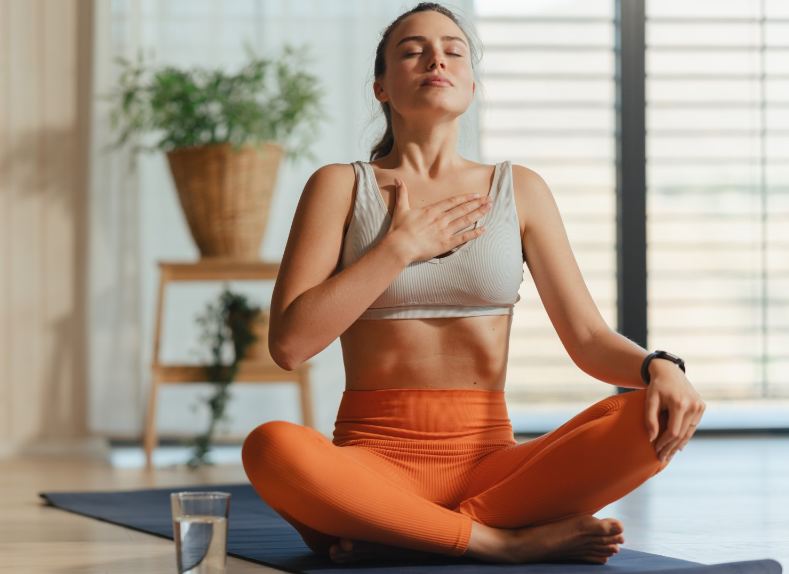
Mindfulness breathing is more than simply taking deep breaths—it is about paying attention to your breath, being present in the moment, and consciously slowing your mind. With regular practice, it becomes easier to let go of anxious thoughts and enter a state of calm that allows for better rest.
How Anxiety Affects Sleep
When we feel anxious, our bodies trigger a “fight or flight” response. Stress hormones such as cortisol and adrenaline are released, causing the heart to race, muscles to tense, and the mind to remain alert. This makes it difficult to relax and fall asleep. Over time, sleep disruption can increase anxiety, creating a frustrating cycle that feels hard to escape.
Mindfulness breathing helps break this cycle. By focusing on slow, deliberate breaths, you signal your nervous system to relax. This lowers heart rate, reduces stress hormone levels, and primes your mind and body for sleep. Regular practice has been shown to help people struggling with insomnia and anxiety improve their ability to fall asleep naturally.
Effective Mindfulness Breathing Techniques

1. 4-7-8 Breathing
The 4-7-8 method is a simple breathing pattern that helps calm the nervous system. Inhale quietly through your nose for 4 counts, hold your breath for 7 counts, and then exhale completely through your mouth for 8 counts. Repeat this cycle several times. This exercise slows your heartbeat, eases tension, and signals to your body that it’s time to rest. Beginners may notice results after a few nights of consistent practice.
2. Box Breathing
Box breathing, sometimes called square breathing, involves four simple steps: inhale for 4 counts, hold for 4 counts, exhale for 4 counts, and pause for 4 counts. This pattern helps regulate your breathing, center your mind, and reduce pre-bedtime anxiety. Many athletes and professionals use this technique to remain calm under stress, and it can be just as effective at night.
3. Alternate Nostril Breathing
A traditional yoga practice, alternate nostril breathing balances the body and mind. Close one nostril, inhale deeply through the other, then switch and exhale through the opposite nostril. Repeating this cycle for several minutes helps relax the nervous system, ease mental tension, and restore focus. It’s especially useful if your mind feels overactive before sleep.
4. Diaphragmatic (Abdominal) Breathing
Diaphragmatic breathing engages the muscles in your abdomen rather than the chest, allowing deeper, slower breaths. Place one hand on your stomach and the other on your chest. Inhale deeply, feeling your abdomen rise, and exhale slowly. This technique lowers heart rate, eases blood pressure, and helps the body enter a natural state of rest, making it easier to fall asleep.
Tips for a Relaxing Nighttime Routine

-
Set the Atmosphere: Dim lights, reduce noise, and ensure your bedroom feels comfortable. Soft music or nature sounds can also help calm your mind.
-
Keep a Consistent Schedule: Going to bed and waking up at the same times daily supports your body’s natural sleep-wake cycle.
-
Avoid Screens Before Bed: Blue light from devices can disrupt melatonin production. Try to turn off electronics at least an hour before bedtime.
-
Practice Daily: Even 5–10 minutes of mindful breathing nightly can yield noticeable improvements over time.
-
Combine with Gentle Stretches: Light stretches, yoga, or shoulder rolls can release tension and enhance the relaxing effects of breathing exercises.
-
Monitor Your Progress: Track how your sleep improves and note changes in your anxiety levels. This reinforces the habit and motivates consistency.
Conclusion
Mindfulness breathing is a powerful, natural method for reducing bedtime anxiety and improving sleep. By practicing techniques such as 4-7-8 breathing, box breathing, alternate nostril breathing, or diaphragmatic breathing, you can quiet your mind, relax your body, and prepare for a restful night.
Making these exercises part of your nightly routine can bring lasting benefits, including better sleep, reduced stress, and improved overall well-being. Start tonight and experience how a few mindful breaths can transform your bedtime routine.
Read More: Natural Anti-Inflammatory Foods to Eat After a Workout for Muscle Recovery
Discover more from The Naija Post
Subscribe to get the latest posts sent to your email.