

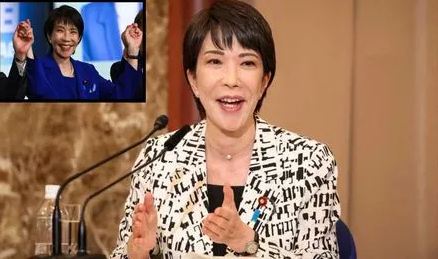
In a historic political milestone, Sanae Takaichi has been elected as Japan’s first female prime minister, marking a significant shift in the country’s leadership landscape. Her election has been widely hailed as a breakthrough for gender representation in Japanese politics, where women have historically been underrepresented in top government positions.
Takaichi, a veteran politician and former minister, won the parliamentary vote by a notable margin, securing the support of key lawmakers and political allies. Her platform focuses on economic revitalization, national security, and advancing gender equality, signaling a potential transformation in policy priorities.
The announcement of Japan’s first female prime minister has sparked widespread reactions both domestically and internationally. Political analysts emphasize the symbolic importance of her victory, noting that it could inspire greater participation of women in politics across Japan. Social media platforms have been flooded with messages of support, congratulating Takaichi on her historic achievement.
As she prepares to assume office, Takaichi faces challenges that include addressing economic stagnation, modernizing Japan’s infrastructure, and strengthening the nation’s role in global affairs. Observers are keenly watching how her leadership style will differ from her predecessors and how she will navigate Japan’s traditionally male-dominated political system.
In her victory speech, Takaichi pledged to work for all citizens, emphasizing inclusive governance and innovation in policy-making. Her election as Japan’s first female prime minister is being seen as a turning point that could redefine political leadership in the country for years to come.
Read More: Amazon Says Root Cause of Major Outage Fixed but Some Services Still Face ‘Significant Errors’
Discover more from The Naija Post
Subscribe to get the latest posts sent to your email.